
Air conditioners are essential for staying comfortable during Brisbane’s hot and humid summers. However, installing an AC unit in a tight or restricted space can create more problems than many homeowners realise. Whether it is a compact apartment in Paddington or a smaller home in Carina, poor installation planning can affect safety, efficiency, and the lifespan of the system.
Experienced electricians often encounter issues caused by cramped installation areas that limit airflow, access, and safe electrical connections. Here is what electricians want homeowners in Brisbane to know before installing an air conditioning system in confined spaces.
Why Space Matters During AC Installation
Air conditioning systems need adequate clearance to operate efficiently. Both indoor and outdoor units rely on proper airflow to regulate temperature and prevent overheating.
When systems are squeezed into tight ceiling cavities, narrow wall spaces, or enclosed outdoor corners, airflow becomes restricted. This can force the unit to work harder, increasing power consumption and reducing cooling performance.
Before commencing an AC installation in Brisbane or its suburbs, electricians and installers assess available space carefully to ensure the unit can function safely without placing unnecessary strain on the electrical system or mechanical components.
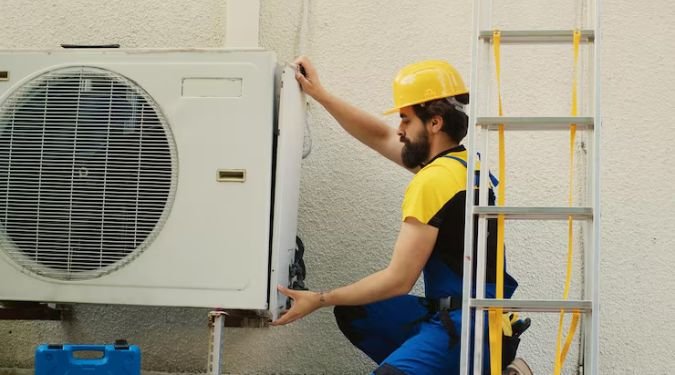
Electrical Safety Risks in Tight Areas
Restricted installation spaces can make electrical work more challenging and potentially unsafe. Electricians need enough room to complete wiring connections properly, secure isolation switches, and safely access power supply points.
In cramped locations, wiring may become bent, compressed, or exposed to excessive heat. Over time, this can damage insulation and increase the risk of electrical faults.
Older Brisbane homes in suburbs like Paddington may already have limited ceiling access and ageing wiring systems. Installing an air conditioner without properly assessing these factors can lead to overloaded circuits or future repair issues.
Poor Ventilation Can Reduce Efficiency
Outdoor condenser units require sufficient ventilation to release heat effectively. When these units are placed too close to walls, fences, or enclosed spaces, heat can become trapped around the system.
This poor ventilation reduces efficiency and forces the unit to operate longer to achieve the desired temperature. In Brisbane’s warmer climate, this added strain can significantly increase electricity bills during summer.
Electricians often work alongside air conditioning technicians to identify safe installation points that allow proper airflow while meeting electrical compliance requirements.
Maintenance and Repair Access Is Often Overlooked
One of the most common mistakes homeowners make is focusing only on fitting the unit into a small space without considering future maintenance access.
Air conditioners require regular servicing to maintain performance and reliability. If the unit is installed in an extremely tight location, technicians may struggle to access filters, electrical components, or drainage systems.
This can make future repairs more time-consuming and expensive. In some cases, sections of walls or ceilings may even need to be removed to access the system safely.
Drainage Problems in Confined Installations
Air conditioners generate condensation that must drain away properly. Tight installation areas can restrict drainage pipe placement and create poor water flow.
Improper drainage can lead to water leaks, moisture damage, mould growth, and ceiling staining. Electricians and installers carefully assess pipe routing before AC installation in Carina to ensure condensation drains safely away from the property.
This is especially important in humid places, where moisture-related problems can escalate quickly if ignored.
Compliance With Australian Standards
Air conditioning installations must comply with Australian electrical and safety regulations. Tight spaces can make it difficult to meet required clearances and installation guidelines.
Licensed electricians carrying out AC installation in Paddington and other suburbs inspect factors such as ventilation space, cable protection, switch placement, and accessibility before approving an installation. Ignoring these requirements can compromise safety and may even affect insurance coverage if electrical faults occur later.
Professional assessment helps ensure the installation is both safe and legally compliant.
Read More: How Do Technicians Carry Out Hazard-Free Air Conditioning Installation?
Choosing the Right System for Smaller Spaces
Not every air conditioning unit suits compact homes or restricted installation areas. Electricians and HVAC professionals often recommend systems specifically designed for smaller properties or apartments.
Modern split systems with compact outdoor units may provide a better solution for homes with limited external space. Proper unit selection can improve efficiency while reducing installation complications.
A tailored installation plan also helps homeowners avoid long-term performance issues and costly modifications later.
Final Words
Installing an air conditioner in a tight space is not always impossible, but it does require careful planning and professional assessment. From electrical safety concerns to airflow restrictions and maintenance access, confined installations can create several hidden risks if not handled correctly.
For homeowners in Brisbane, Carina, and Paddington, working with experienced electricians and qualified AC installers is the safest way to ensure reliable performance and compliance. A properly planned installation will improve comfort, protect your electrical system, and help your air conditioner operate efficiently for years to come.
Hire Professional AC Installers
Are you looking for expert AC installers in Brisbane, Carina or Paddington? Call QMAX Electric now. Dial 07 4801 0003 to hire electricians expert in this craft.
AC Installation FAQs
- Can installing an AC unit in a confined space shorten its lifespan?Yes. Restricted airflow and excessive heat build-up can force the system to work harder than intended, increasing wear on compressors, fans, and electrical components over time.
- Why do electricians inspect the switchboard before an AC installation?Air conditioners draw significant power, especially during peak summer use in Brisbane. Electricians check whether the switchboard and existing circuits can safely handle the additional electrical load.
- Are tight ceiling cavities a problem for split system installations?They can be. Limited ceiling space may restrict safe cable routing, drainage placement, and ventilation around the indoor unit, making installation and future maintenance more difficult.
- How does poor ventilation around an outdoor AC unit affect energy bills?When heat cannot escape properly, the condenser must run longer to cool the home effectively. This increases energy consumption and may lead to noticeably higher electricity costs.
- Is installing an AC unit in a narrow side passage risky?It can be if there is insufficient clearance around the condenser. Tight outdoor areas may trap hot air, reduce airflow efficiency, and make servicing difficult for technicians.
- Why is maintenance access important when choosing an AC installation location?Technicians need enough space to inspect wiring, clean filters, repair components, and service drainage systems. Poor access can increase maintenance costs and delay repairs.
- Can tight AC installations cause moisture or mould issues?Yes. Improper drainage routing in confined spaces can lead to water leaks, trapped moisture, and mould growth, particularly in humid Brisbane conditions.
- Are older homes in Paddington more challenging for AC installations?Older homes often have ageing electrical systems, narrow roof cavities, and limited wall space, which may require electrical upgrades or custom installation planning.
- What clearance do electricians usually recommend around outdoor AC units?The required clearance depends on the manufacturer’s guidelines and Australian standards, but electricians generally ensure enough space for ventilation, airflow, and safe servicing access.
- Can a compact air conditioner solve tight space installation issues?Compact systems can help, but proper placement still matters. Even smaller units require adequate ventilation, drainage, and safe electrical access to operate efficiently and safely.